• Paudean, Lembeh Sel., Kota Bitung, Sulawesi Utara 95551

Tangkoko Nature Reserve Tour

Tangkoko Nature Reserve | North Sulawesi Tours

This is a half day tour to the most beautiful forested land on North Sulawesi, Tangkoko Nature Reserve. Tangkoko is one of the oldest nature reserves in Indonesia being established in 1919, and was once researched by Alfred Russel Wallace in 1859.

“Particularly wild spot”

-Alfred Russel Wallace’s description of now Tangkoko Nature Reserve from the Malay Archipelago (1859)
Alfred Russel Wallace Monument at Tangkoko National Park

The animal density and biodiversity is quite incredible, as such there’s been quite a lot of research taken place here over the many decades. Nearly all the wildlife found at Tangkoko are endemic to Sulawesi.

Here you can see:

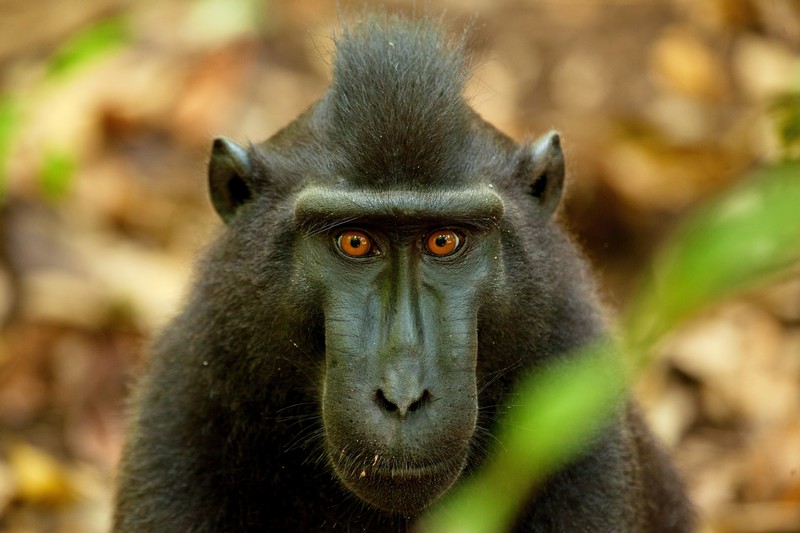
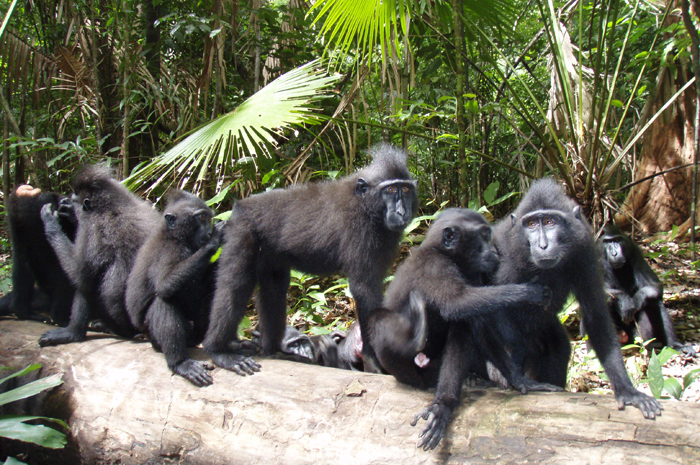
  • Celebes Crested Macaques
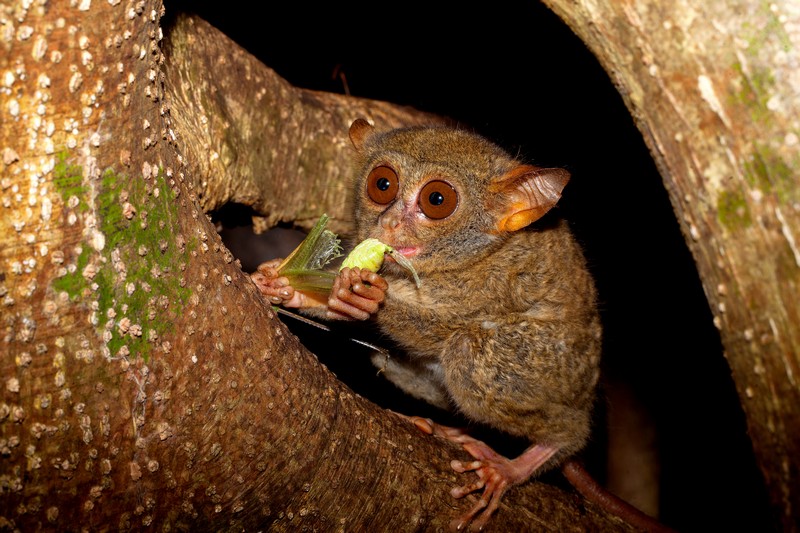
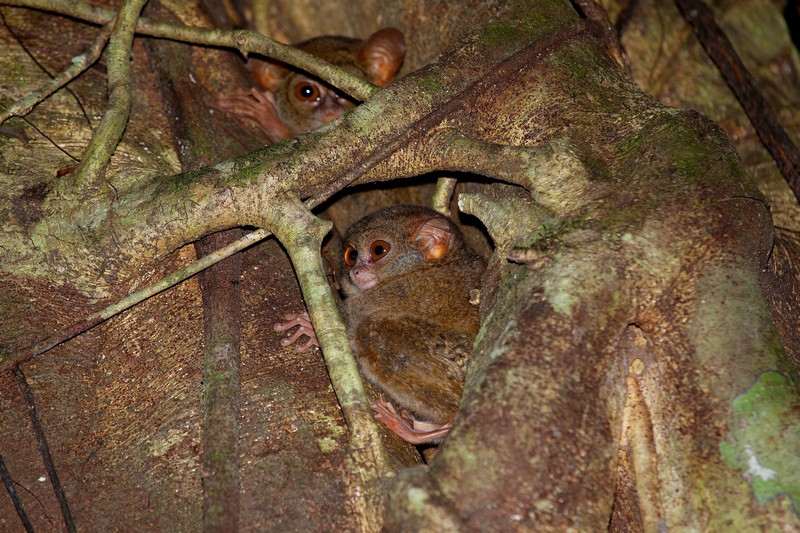
  • Spectral Tarsiers
  • Sulawesi Bear Cuscus
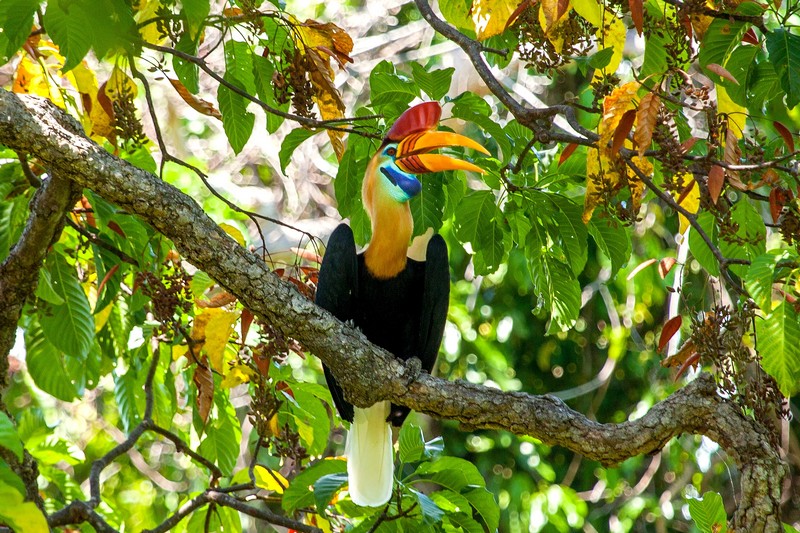
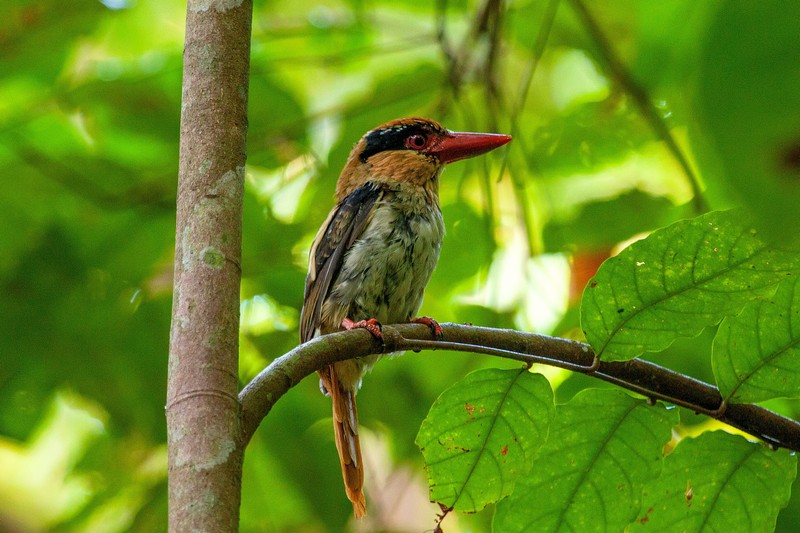
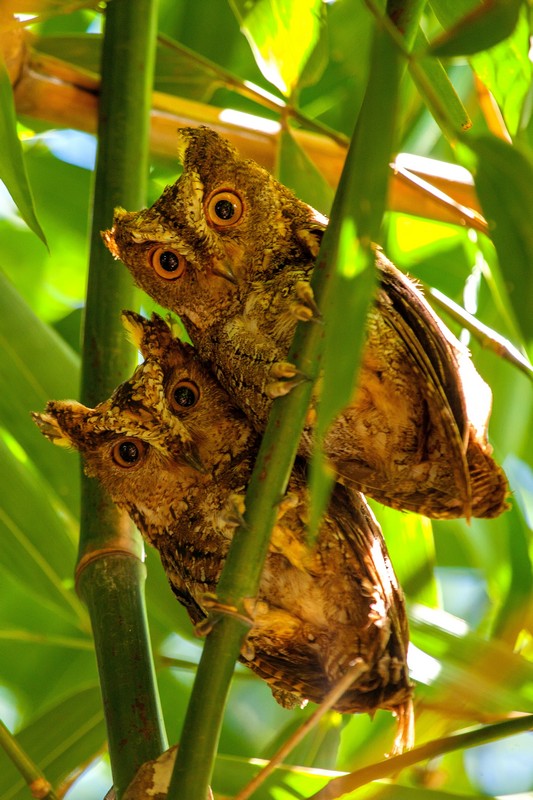
  • Rare & Endemic birds such as the: Knobbed Hornbill, Great-Billed Kingfisher, Green-backed Kingfisher, White-Necked Myna, Red-Backed Thrush, Sulawesi Scops Owl.
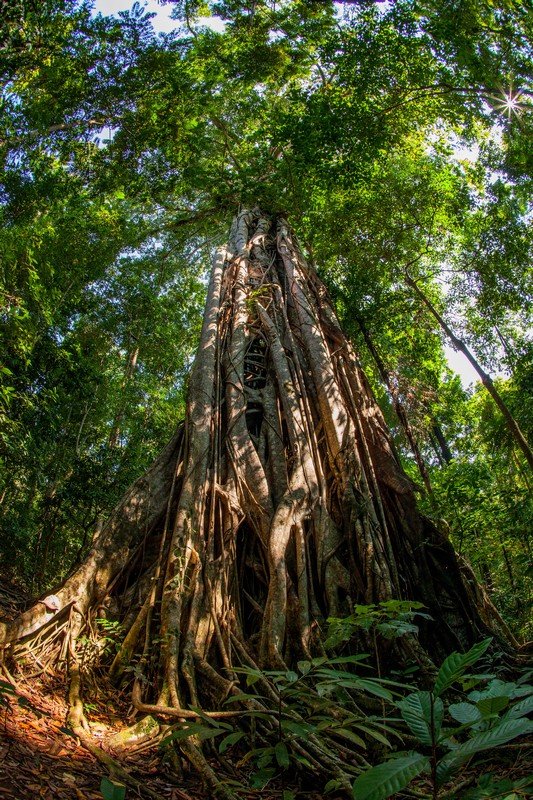
  • Ancient Trees and Reserve Grounds

Below you can find more information such as the specific wildlife of Tangkoko, how the tour is organized, price, what to wear/bring for the tour, and also additional links such as where Tangkoko is located.

Hiking through Tangkoko

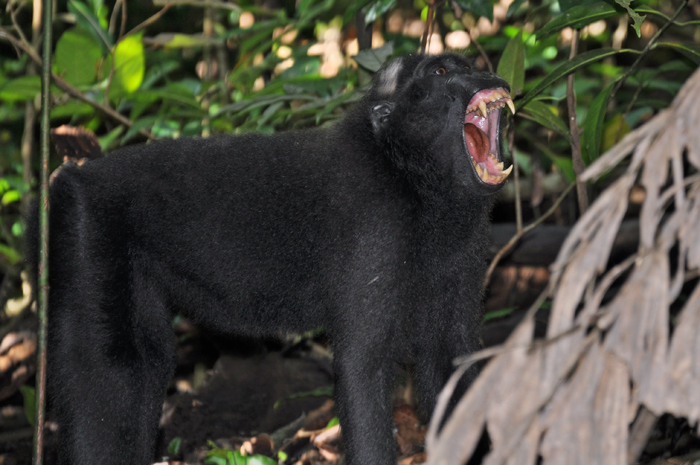
The Celebes Crested Macaque

Endemic to only North Sulawesi and tragically critically endangered. However fortunately their population is recovering and are quite commonly found in the reserve.

Their current population at the reserve is somewhere around 2,000. A single group of Celebes Crested Macaques consists of 20-100+ members. They often wander around at morning to afternoon looking for trees that bear fruit.

Reserve visitors can observe them peacefully from a maximum distance of 5m (16 ft). Some groups in Tangkoko have gotten quite used to people and are no longer shy, while other groups still tend to avoid people. Most importantly though despite not being shy they will not disturb reserve visitors thanks to a strict no feeding rule enforced by rangers, researchers and local guides.

As a visitor of the reserve it is critical that you do not feed them, disturb them, approach them (unless they approach you) or use flash photography. Also please avoid eye-contact or showing teeth since for Macaques it’s considered as a threat to them.

The Spectral Tarsiers

Endemic to Sulawesi and their conservation status is vulnerable. They are one of the smallest primates in the world (Adult Spectral Tarsiers having a total mass of 130 grams & body length of 14cm). They’re exceptionally adorable.

Nocturnal and carnivorous with a diet mostly of insects, however they do sometimes eat small lizards, snakes, and very small birds. They live in groups of 3-5 as a family and rest during the day. However despite being nocturnal, reserve visitors can still find them at day sometimes sitting outside their nests. Often nesting in hollow trees such as Beringin trees (Banyan Tree).

They’re also very social creatures often communicating with other Tarsiers at night, they have a very distinct high-pitch call. However if you have hearing issues you might not be able to hear it unfortunately.

The Sulawesi Bear Cuscus

Endemic to Sulawesi and their conservation status is vulnerable. They’re a type of marsupial that live exceptionally high up on trees, and quite surprisingly there is very little known about them, unlike the Tarsiers and Crested Macaques of Tangkoko that has been researched and observed over the years, the Bear Cuscus is still quite mysterious.

For what is known they are slow and quite sloth-like in behavior, having a diet of leafs and sleeping for roughly 70% of the whole day. They don’t seem to have a consistent nest (?) and move between trees very regularly. From observed they’re also quite social creatures as they’re often found in pairs.

Endemic Birds

  • Knobbed Hornbill: Endemic and threatened, they’re found commonly (although not easily) at Tangkoko. It’s the most sought after by birdwatchers visiting Tangkoko. To find them local guides have to be attentive to sounds as they’re quite loud birds, when flying they make a barking sound and the flapping of their wings are exceptionally loud. Often found perching extremely high up on trees.
  • Great-billed Kingfisher: Endemic and fortunately the conservation status is least concern! Their habitats are most commonly found in mangrove and coastal areas. While not threatened they are notoriously difficult to find. (We also see them around the resort grounds too)
  • Green-Backed Kingfisher: Endemic and not threatened, but fascinatingly their habitats are within forests and their diet consists of insects. They’re colorful and also not shy to people, and they’re often found at branches within eye-level.
  • Sulawesi Goshawk, Red-Backed Thrush, Sulawesi Scops owl: All Endemic and Least concerned! However it can be quite a challenge to find them, their habitat varies and very often only found by sheer luck.

There are still many-many birds in Tangkoko that I have yet to describe! I’ll update this as I learn more and collect more photos (January 3, 2026)

Ancient Trees & Reserve Grounds

The Beringin trees and some forests photos taken during the tour.

When to go, and how is it organized?

Since most of the animals are active in the morning, with activity reducing by midday, we recommend to be at the reserve at around 07:00. With the 4 hour from 07:00-11:00 you should be able see the Macaques, Cuscus, Tarsiers & Hornbills (However this isn’t a guarantee and it always depends on what nature is willing to show that day). Once arriving at the reserve entrance we’ll meet with the local guide and start the hike into Tangkoko.

If you’re staying with us we recommend leaving the resort at 06:00, and it’ll take 1 hour and 15-30 minutes to arrive in Tangkoko. We can also do the tour if you’re not staying with us, we can arrange a transfer to the reserve from anywhere in Bitung & Manado City (Including Sam Ratulangi Airport). In addition we can also combine the tour with transfers for any check-ins/check-outs.

What is included and price

This Includes: A guide from Divers Lodge Lembeh, boat transfer, car + driver, drinking water, fruits, and packed breakfast. Please note that Entrance fee and reserve guide is not included yet.

The price for the Tangkoko Nature Reserve Tour are as follows:

  • Single person: IDR 1.500.000 (EUR 77.82), (USD 89.71)
  • Two persons, per person: 750.000, (EUR 38.91), (USD 44.86)
  • Three persons, per person: 500.000 (EUR 25.94), (USD 29.90

The entrance fee is IDR 100.000 (EUR 5.19), (USD 5.98) per-person, per-day for foreign tourists, and for Indonesians it is IDR 10.000, however please note there is a 1.5x surcharge on holidays and Sundays.

Reserve guide fee varies depending on the guide available, commonly though it is IDR 200.000 (EUR 10.38), (USD 11.96) per-person for a 4 hour tour.

What to wear/bring?

  • Long pants (Protection against bushes and ants)
  • Proper trekking shoes (or at least sneakers),
  • Mosquito repellent (use before entering the forest),
  • Extra T-shirt.
  • A lot of water

Links

  • All our rates are based in IDR (Indonesian Rupiah). The EUR and USD prices provided are approximate and may fluctuate with changes in exchange rates. For more information please visit our Rates & Booking page
  • Tangkoko Nature Reserve’s Location on Google Maps.
  • You can also see Wonderful Indonesia‘s page about Tangkoko Nature Reserve.