Minahasa Highlands Tour | Tomohon and Tondano

Minahasa Highlands

This is a full-day tour of the Minahasa volcanic highland area. The main destinations you can visit include: Waruga Ancient Sarcophagus, Traditional Markets, Mahawu Volcano, and Sulphur Lake Linow. There are also other destinations such as the Tondano Fish-farm, Polutan Pottery Village, The Pagoda & Waterfalls. However these destinations are optional as it depends on how much time you’d like to spend at each destination. It is possible to do all of them however, as a result we would be back at the resort quite late.

You can decide when and where to go, as well as how much time you’d like to spend at each destination.

A scenic landscape at Minahasa | North Sulawesi Tours

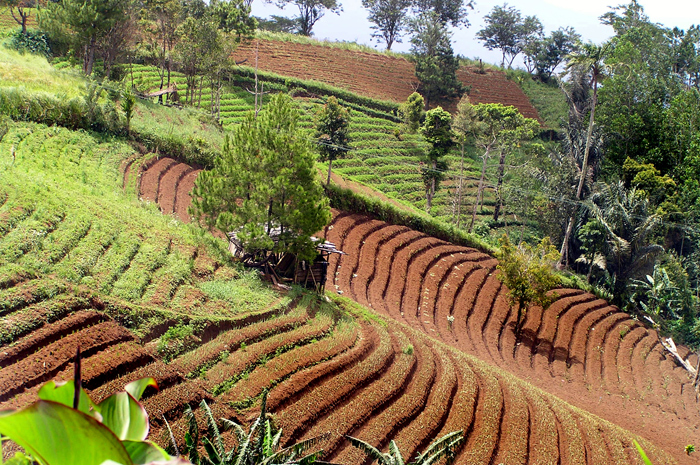
Farmland at the foot of Mahawu Volcano, from the Minahasa Highlands Tour.

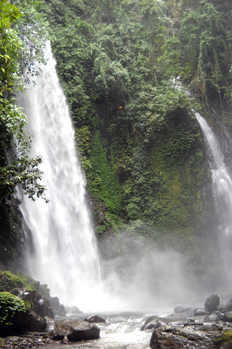
Kali Waterfall at Tomohon

Named after the village nearby, featuring a large double waterfall within a valley, surrounded by lush undisturbed forests.

During sunny mornings rainbows are formed at the front of Kali Waterfall

Starting at Kali village, it’s a 1km (15 minutes on normal walking speed) hike to get to the Waterfall. There’s an stone path that leads to the Waterfall, albeit quite overgrown. We recommend using hiking shoes with decent grip as the path can be quite slippery.

Overgrown forest path towards Kali Waterfall

Mahawu Volcano at Tomohon

Mount Mahawu on a clear day

Mount Mahawu’s Crater & Platform Overlooking it

Left the crater of Mount Mahawu on a clear day – Right the crater of Mount Mahawu on a cloudy day

The elongated Mahawu volcano lies immediately east of the Lokon-Empung volcano. Mahawu is capped by a 180-m-wide, 140-m-deep crater that contains a small crater lake, and has two pyroclastic cones on its northern flank.  Less active than its neighbor, Lokon-Empung, Mahawu’s historical activity has been restricted to occasional small explosive eruptions recorded since 1789.  In 1994, fumaroles, mudpots, and small geysers were observed along the shores of the greenish-colored crater lake.

There is a road for vehicles that leads almost to the peak of Mahawu. From there itโ€™s only a 15 minute walk along the stairs to reach the top, and another 10 minutes to walk halfway around the crater, to the highest peak. You’ll have a spectacular view over the caldera with the steaming and bubbling crater lake with sulphur scent. From the peak you can see Bunakan, Bangka, Lembeh, Manado, the surrounding volcanos such as Lukon, Suputan and Klabat, granted there are no clouds. Pitcher plants are also plentiful here.

An aerial perspective of Mount Mahawu

Traditional Markets at Tomohon

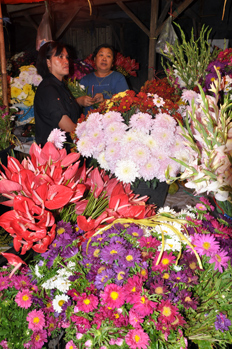
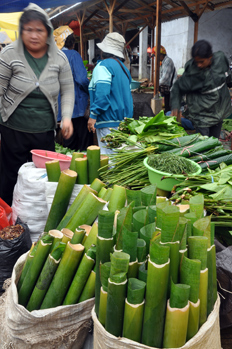
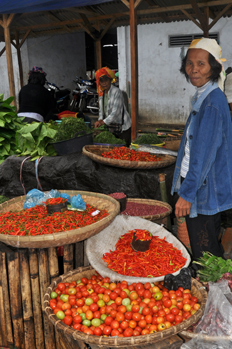
Located near Mount Mahawu, this is a diverse and mixed market where a diverse collection of fruits, vegetables, spices are sold! There is also different sections for miscellaneous objects such as clothes, traditional cooking utensils, food, and cakes are sold. Almost everything needed for a common household is sold here.

 The busy and colorful markets of Tomohon

In a separate section they sell exotic meat such as bats, tree rats, python, dog, wild pig, etc. The meat section of the market is separate, and is something we usually skip entirely as it’s rather gruesome to say the least, fortunately this section is easy to avoid.

Sulphur Lake Linow at Tomohon

Lake Linow From the Air

Lake Linow from an Aerial Perspective

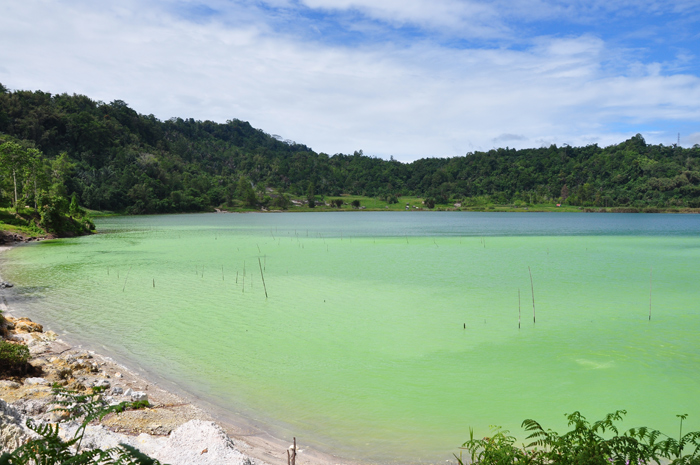
A sulfur lake that changes color, with rich thermal activity of fumaroles, sulphur steam and sulfur muds. It’s located near a restaurant and lounge area where often visitors go to. This is also where we would have lunch during the tour. 

Here you can see quite often see hundreds of birds surrounding the lake. You can also approach the lake closer, as well as the sulphur deposits, if it is less active. This is quite a large area with a lot to see and scenic landscapes, and as such this is often the last destination in our tour.

The Volcanic Sulphur Deposits of Lake Linow

The Sulphur Deposists of Lake Linow from an Aerial Perspective

The Sulphur Deposits of Lake Linow from an aerial perspective

The Sulphur Deposits here are always active. Despite it though, there’s farmlands encircling the deposits, as the soil here is exceptionally fertile and there’s constant access of freshwater.

During the tour we can visit the deposits if it’s not as active. All visitors going to the deposits have to exercise as much caution as possible, as the boiling sulphur can cause severe burns. A local farmer named Yus Tarore had made wooden fencing and planted small red flags on the risky areas of the deposits.

Yus Tarore – A farmer who is farming around the Linow Sulphur Deposits

Step gently around this area, and beware of the clay ground, usually black clay is an indicator that the ground is soft, and poses the highest risk. Locals here use walking sticks to check whether or not the ground is safe to pass.

Guests of Divers Lodge Lembeh, Yus & Adrian visiting the Sulphur Deposits

Waruga Ancient Sarcophagus at Sawangan

This is a historical tour to Sawangan village where you can see remnants of 144 Waruga from the Megalithic age. Waruga’s are ancient sarcophagus (stone grave) of Minahasan ancestors.

Waruga Sawangan’s Entrance.
On the walls at the left and right tells the history of how the people of Minahasa lived.

A Waruga consists of a base stone, shaped into a square, where the corpses were put into. The corpses were put into a seating/squatting position with their face towards the north, and a headstone with a rooftop shape. Natural spices were slipped in between. North symbolizes the origin of Minahasan ancestors who derive from Mongolia. The engravings on the headstone depict the cause of death, the deceased’s hobby, character or occupation and the number of corpses inside.
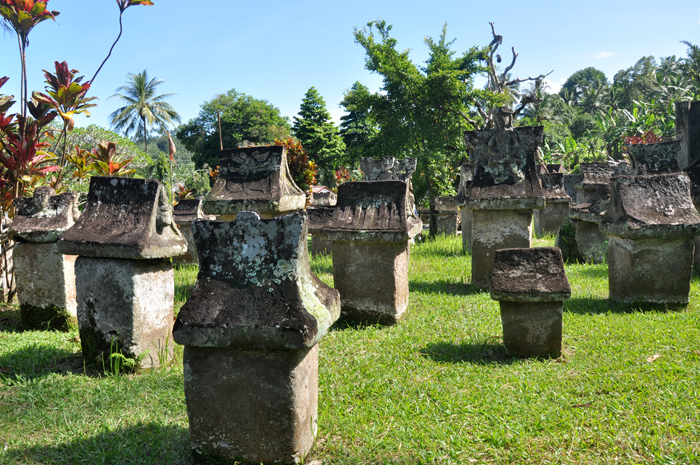
During the 1870s Minahasan tribes started to replace Waruga with normal coffins due to the suspicion that diseases such as Typhus and Cholera would spread from the space between base stone and headstone of Waruga, along with Christian beliefs that mandated a burial. Among these 144 Waruga, there are a group of Waruga of the Dutch, Spanish, Portuguese, Japanese and Mongolians.

A small trivia: Queen Juliana, Prince Bernard, and Queen Beatrix of the Netherlands have visited this site.

You can also find out more about the Waruga in Wikipedia.

Tondano Fish-farm, The Pagoda, and Pulutan Pottery Village

These are some of the optional destinations available. Quite often the other aforementioned destinations above would take the whole day. Below are some destinations you could visit in addition or an as alternative.

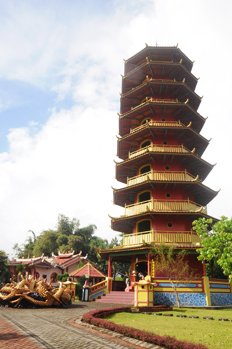
The Pagoda: One of the largest towers at Minahasa. On the peak you could see quite a vast view of Tomohon City and the surrounding mountains. It’s located in next to a Confucian temple. 

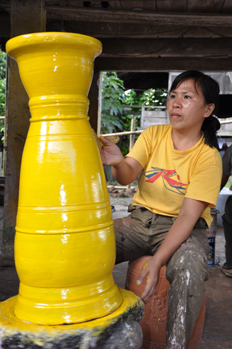
Pulutan Village: A pottery village that specializes in making pottery. Very worth visiting if you’re interested in pottery.

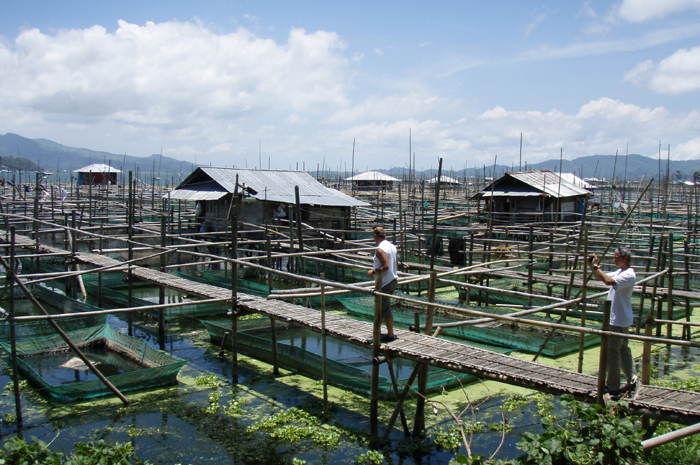
Tondano Fish-farm: A large vast traditional fish-farm, also quite scenic and a very authentic side of Indonesia that is worth visiting.

When to go, and how is it organized?

As this tour is quite lengthy we recommend leaving the resort at early morning from 06:00 and latest at 09:00. From the resort you’ll be transported to the harbor with your guide, and there will be a driver to bring you to the destinations. You can decide where, when to go, and how much time you’d like to spend in each destination. Typically the order of the tour would go as:

  • Departing from the resort at 06:00
  • Arriving at Kali Waterfall at 07:30
  • Then from Kali to Mahawu Volcano arriving at 09:00 (Breakfast at the Volcano)
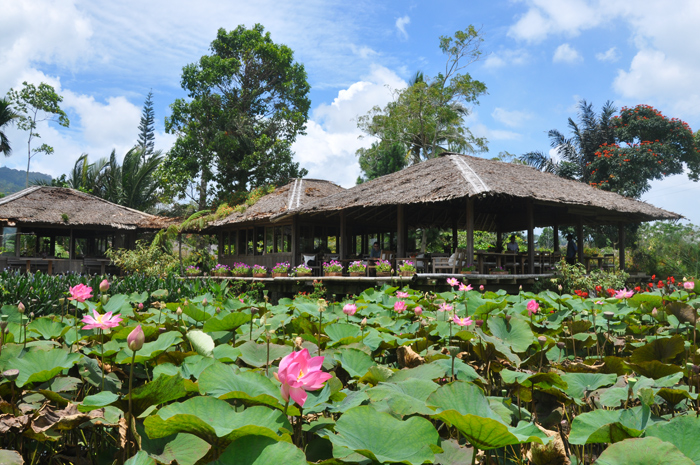
  • After Mahawu to Gardenia for the flower gardens, birdwatching and coffee & tea break. Arriving at 10:30.
  • After Gardenia then to Linow Sulphur Lake for sightseeing the active sulphur deposits and lunch. Arriving at 12:30.
  • Waruga Ancient Sarcophagus for last on the way back to the resort at 16:00
  • Back to the resort around 18:00

Price

The Minahasa Highland Tour Includes: Guide, boat transport, car + driver, drinking water, snacks, fruits, and packed breakfast.

  • Single person: โ‚ฌ95
  • Two persons, per person: โ‚ฌ55
  • Three persons, per person: โ‚ฌ42.50

What to wear/bring?

  • drinking water, snacks, fruits, and packed breakfast (Optional, only if youโ€™d like)
  • extra T-shirt.
  • Shoes/Sneakers would be ideal as there are some bushes at Mahawu Volcano
  • mosquito repellent

Links

Volcano at the Minahasa Highlands, from Gardenia

Thank you for reading! If you’d like to find more information about us: